

Survivors Face Intimidation and Trauma While Perpetrators Walk Free
Harare, Zimbabwe
Sexual harassment remains a pervasive and deeply under-addressed issue in Zimbabwe’s tertiary education institutions, with students—particularly women—facing a hostile environment both in physical campuses and online platforms. Despite growing calls for accountability, survivors continue to be intimidated, while many perpetrators, often powerful university staff, go unpunished due to significant legal loopholes.
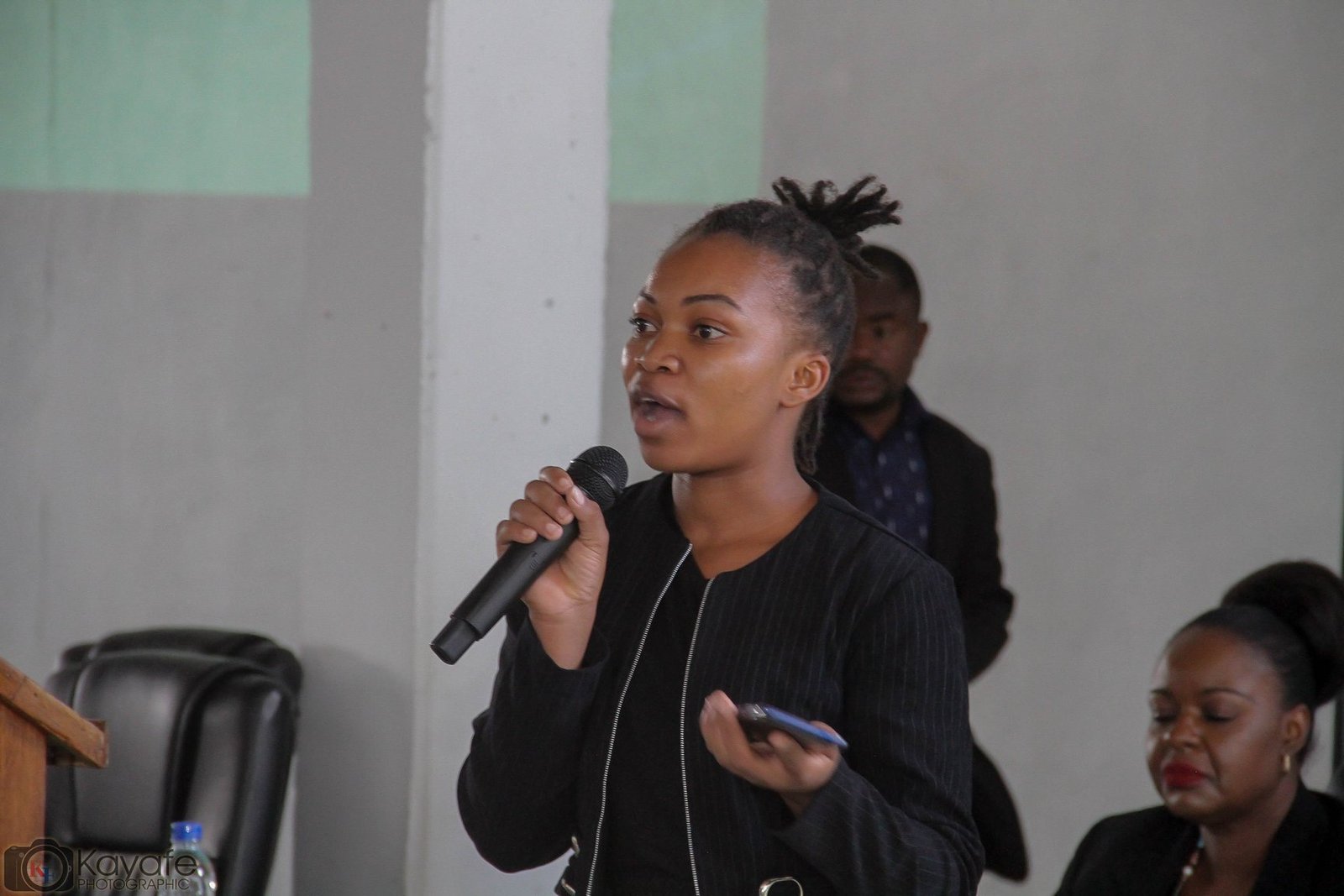
Paidamoyo Masaraure, the Student Representative Council (SRC) president at the Women’s University in Africa and Harare Provincial Chairperson for the Zimbabwe National Students Union (ZINASU), is at the forefront of the student-led campaign to combat this crisis. In a recent interview, Masaraure detailed the many forms sexual harassment takes on Zimbabwean campuses, ranging from unsolicited physical advances to coercive relationships disguised as mentorship or academic assistance.
“The most common form of harassment is what we call the ‘typhoid mark,’” Masaraure explained. “Lecturers ask for sexual favors from female students in exchange for better marks. It’s predatory, it’s manipulative, and it’s destroying the integrity of our education system.”
While both male and female students can be victims, Masaraure emphasized that young women are disproportionately targeted, often forced into compromising situations due to economic vulnerability or fear of academic retaliation. This is exacerbated by the prevalence of “blesser-blessed” relationships—intergenerational, transactional sexual relationships where older men exploit the poverty and limited options of young women.
Efforts by ZINASU have seen isolated victories. In 2018, the union successfully pushed for the suspension of a lecturer at Midlands State University (MSU) following allegations of sexual harassment. At a national level, student leaders have lobbied Parliament to push for the adoption of a comprehensive Sexual Harassment Act that criminalizes not only rape but a broader range of abusive behaviors currently ignored by Zimbabwean law.
“Right now, rape is the only sexual offense that’s clearly criminalized,” Masaraure said. “We need legislation that also targets verbal abuse, unwanted touching, slut-shaming, and body-shaming—because this is where the culture of harassment starts.”
On campuses, student unions and organizations like the Female Students Network Trust have stepped in to fill the gap, offering peer-to-peer counseling, awareness campaigns, and support for victims. Still, survivors often face institutional resistance.
“Students who report are often intimidated,” she said. “University authorities tend to protect staff, not the victims. That’s why we keep telling students to report, to speak out, and to know they’re not alone.”
Masaraure also reflected on the personal cost of being a female student leader in this climate. “It’s not easy. You interact with these same men in power who see you not as a leader, but as someone they can exploit. I’ve had to say no—even when opportunities were on the line—just to protect myself.”
To safeguard students and support survivors, Masaraure advocates for a multi-pronged approach: robust legislation, institutional reforms, trauma-informed care, and a cultural shift that starts from early education.
“Sexual harassment ruins lives,” she said. “It causes depression, anxiety, and academic failure. Survivors need access to on-campus counseling, chaplaincy services, and student support centers. And most of all, they need to be believed.”
As Zimbabwe’s youth fight to create safer campuses, their demands are clear: dignity, justice, and the right to learn without fear.
