

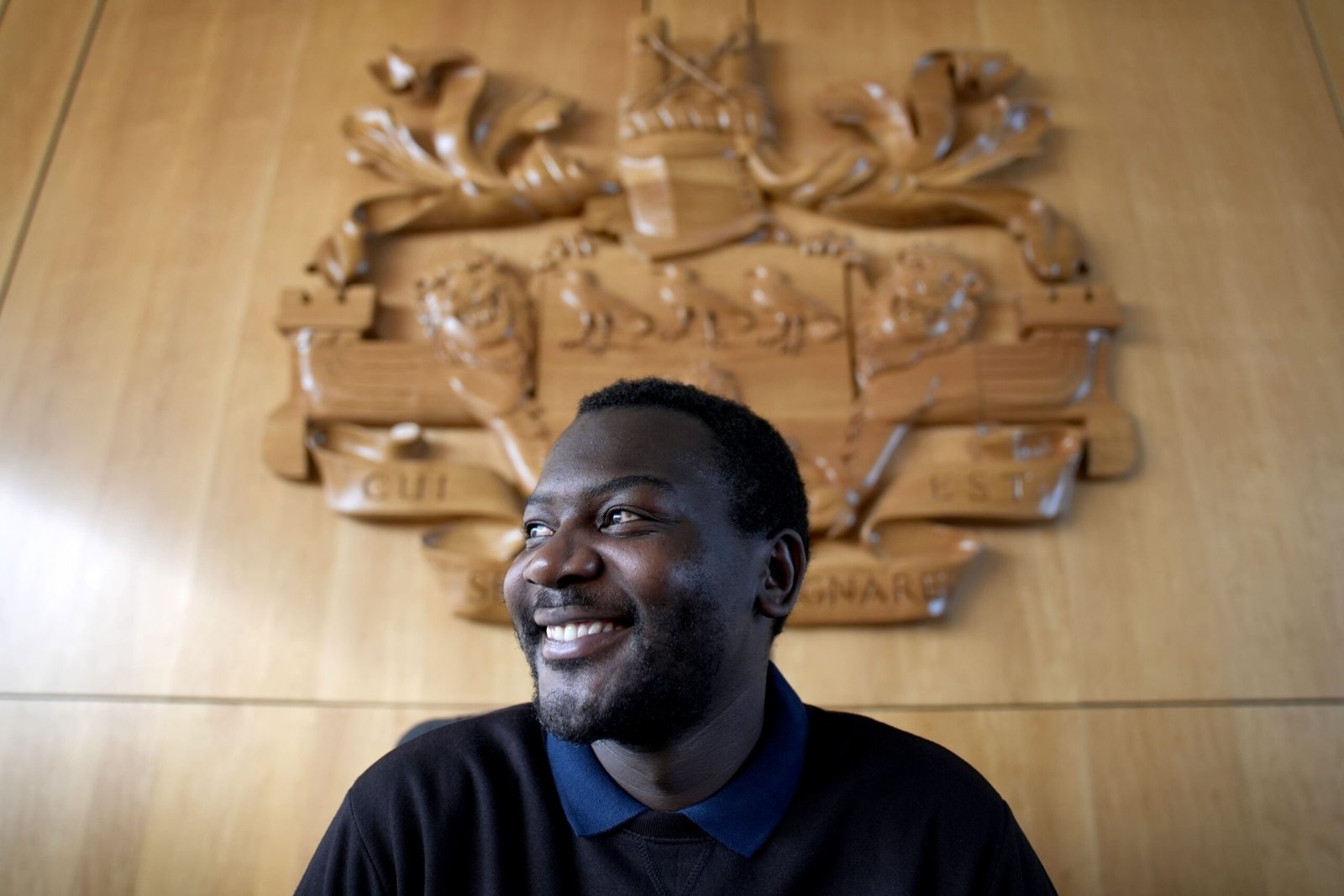
Insights on the prolonged detention of Zimbabwean activist Makomborero Haruziviishe, drawing upon information from a discussion with human rights defender Pride Mkono. Employing the framework articulated by Anne Applebaum regarding the erosion of justice systems under authoritarian pressure, this analysis highlights the systemic manipulation of legal processes to suppress dissent and stifle youth political participation. The article argues that Haruziviishe’s case is not an isolated incident, but a symptom of a broader strategy to consolidate power and dismantle democratic norms.
The detention of Makomborero Haruziviishe, a former student leader and prominent activist, exposes a disturbing trend within Zimbabwe’s legal and political landscape. As Pride Mkono (2023) articulates, Haruziviishe’s case is emblematic of a calculated strategy to silence opposition and deter youth political engagement. This article, drawing inspiration from Anne Applebaum’s analysis of compromised justice systems, investigates the systemic manipulation of legal processes to maintain authoritarian control.
The Anatomy of Injustice?
Haruziviishe’s arrest and subsequent detention are characterized by a series of legal irregularities. Initially charged with whistling in public, a conviction later overturned by the High Court, he was then detained on allegations of failing to appear in court during COVID-19 lockdown periods (Mkono, 2023). Despite providing valid reasons for his absence, his bail was revoked, leading to prolonged detention without trial. This scenario, as Mkono (2023) highlights, constitutes a gross violation of his fundamental rights, including the right to liberty and freedom from torture.
Applebaum (2018) argues that authoritarian regimes often manipulate legal systems to serve political ends, transforming courts into instruments of oppression rather than protectors of justice. This manipulation involves the strategic use of legal loopholes, the fabrication of charges, and the denial of due process. Haruziviishe’s case exemplifies this pattern, where legal procedures are twisted to justify his indefinite detention.
Systemic Suppression of Dissent:
Haruziviishe’s case is not an isolated incident. As Mkono (2023) notes, it reflects a broader pattern of targeting youth activists who challenge the government. The state’s security apparatus, particularly the police’s Law and Order section, engages in surveillance, framing cases, and relying on state operatives as witnesses. The judiciary, perceived as captured by political interests, consistently denies bail to activists, undermining the presumption of innocence.1
This systematic suppression of dissent is driven by a fear of popular uprisings amidst economic hardship (Mkono, 2023). By targeting activists like Haruziviishe, the government aims to create a climate of fear, deterring youth participation in politics and consolidating authoritarian control. Applebaum’s (2018) analysis of manipulated justice systems highlights how such strategies are employed to maintain power, even when they contradict foundational democratic principles.
Impact on Youth Political Participation:
The deliberate targeting of youth activists like Haruziviishe has a chilling effect on youth political participation. As Mkono (2023) observes, young people are deterred from engaging in politics due to the fear of arbitrary arrest and prolonged detention. This strategy undermines constitutional provisions that promote youth involvement in political processes.
The erosion of democratic space, as detailed by Mkono (2023), threatens the very foundation of democracy. When the majority of the population, particularly the youth, are excluded from political participation, democracy withers. Applebaum (2018) emphasizes that authoritarian regimes thrive on the apathy and disengagement of citizens, creating a vacuum that allows for the consolidation of power.
Strategies for Resistance and Solidarity:
In response to this systemic oppression, Mkono (2023) advocates for a multi-faceted approach involving civil disobedience, mobilization, and non-violent discipline. He emphasizes the importance of solidarity, urging citizens to raise their voices and demand justice for Haruziviishe. The use of online petitions, engagement with regional and international human rights bodies, and direct pressure on the government are crucial strategies.
Furthermore, Mkono (2023) stresses the importance of safe mobilization methods, including online activism, peer-to-peer discussions, and community engagement. By leveraging technology and grassroots networks, young people can effectively challenge authoritarian rule. Applebaum (2018) notes that in contexts where legal systems are compromised, citizens must turn to alternative forms of resistance and solidarity to safeguard their rights.
Conclusion:
Makomborero Haruziviishe’s case is a stark illustration of the erosion of justice in Zimbabwe. As articulated by Pride Mkono and informed by Anne Applebaum’s analysis, his prolonged detention is a calculated strategy to suppress dissent and deter youth political participation. The systemic manipulation of legal processes, the fabrication of charges, and the denial of due process highlight the urgent need for resistance and solidarity. By mobilizing and demanding justice, Zimbabwean citizens can challenge the authoritarian tendencies of their government and reclaim their democratic rights.
References:
- Applebaum, A. (2018). Twilight of Democracy: The Seductive Lure of Authoritarianism. Doubleday.
- Mkono, P. (2023). The Arrest of Makomborero Haruziviishe. Into Zimbabwe [Podcast]. Zimbabwe Human Rights Monitors Platform.
