Young Women in Activism Demand Safety, Recognition, and Solidarity from National Leadership
Harare, Zimbabwe
Female student leaders in Zimbabwe are navigating a fraught political and academic landscape marked by gender discrimination, threats to safety, and a lack of institutional support, according to testimony shared by Hillary Gwanzura, a student leader at the Catholic University in Zimbabwe and an active member of the Zimbabwe National Students Union (ZINASU).
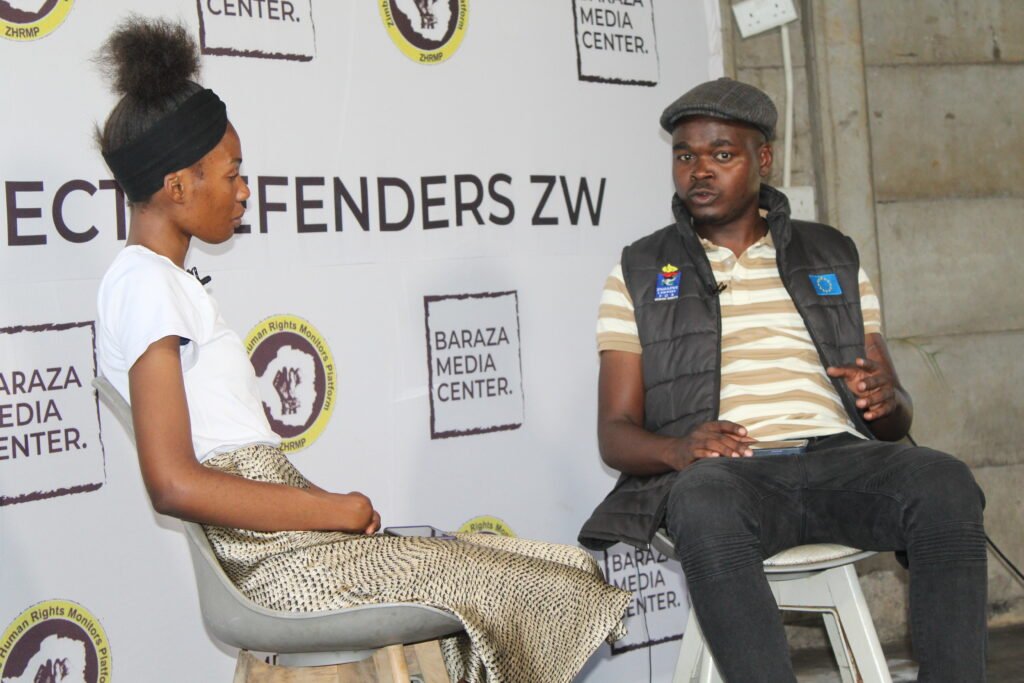
In an interview hosted by the Zimbabwe Human Rights Monitors Platform, Gwanzura described the lived experience of many young women in student leadership roles, highlighting how sexism, fear of victimization, and institutional neglect serve as both barriers to entry and obstacles to effective activism.
“Our rights are politicized. Our safety is uncertain. And we are constantly fighting the stigma that comes with being a woman in leadership,” said Gwanzura. “We’re seen not as equals—but as threats or sexual objects. This isn’t just discouraging—it’s dangerous.”
Systemic Challenges and Threats
Gwanzura emphasized the psychological burden of leadership in a context where female students are routinely objectified and undermined. She described a prevalent fear among women in activism—fear of being ostracized, harassed, imprisoned, or even assaulted. The lack of visible safety mechanisms in student spaces and political environments makes activism a high-risk endeavor for women, and many choose to disengage to avoid harm.
“We suffer from what I call invisible chains—imposter syndrome, self-doubt, and fear of rejection,” she explained. “Even our families worry. They ask, ‘What happens if you get arrested? Who will protect you?’ These are real questions we live with.”
Gwanzura pointed to examples of abuse, including cases of sexual harassment in detention, as stark indicators of how the justice system fails women activists. “We’ve heard the stories—young women activists groped, assaulted, silenced,” she said. “Why are there so few female correctional officers? Why do we continue to put young women in the custody of male guards? This must change.”
Barriers to Participation and Emotional Burnout
The compounded psychological impact of constant surveillance, harassment, and fear of violence has led many female students to abandon activism altogether. “They lose the drive. They lose hope. They start believing they can only survive if they stay quiet,” Gwanzura said.
This climate of fear, she noted, deters many from joining the movement or sustaining long-term engagement. “Activism, for women, becomes a moral and emotional tug-of-war—between dreams for a better Zimbabwe and the reality of danger.”
A Call for Solidarity and Structural Reform
Gwanzura insists the solution lies in building feminist leadership pipelines, improving protective structures, and fostering solidarity between current female student leaders and those in national political and civil society roles.
“We need more women in correctional facilities, in the judiciary, in positions where they can protect and uplift others. We also need seasoned women leaders to mentor us and stand with us.”
She emphasized the role of education—not just formal instruction, but grassroots orientation into activism—as a transformative tool. “We’re not asking for power. We’re asking for space. Educate us, don’t train us like soldiers. Groom us to lead in ways that don’t erase our humanity.”
Toward a Feminist Vision of Leadership
Gwanzura believes young women’s activism in Zimbabwe must be redefined through inclusivity and innovation. Digital platforms, she argues, offer safe and powerful spaces to mobilize, share experiences, and advocate without always being physically exposed to danger.
“We can lead differently. We can use our voices online and offline. We can innovate activism. But only if we’re safe, only if we’re seen.”
Her message to other young women is clear: “Do not be afraid. Your voice matters. Your leadership matters. Fight not for glamour—but for a world where all women are safe, equal, and heard.”
Background
In recent years, reports of violence, sexual harassment, and politically motivated arrests of female activists have increased in Zimbabwe. Human rights organizations have repeatedly called for gender-sensitive reforms in law enforcement, judicial protections, and academic institutions.