


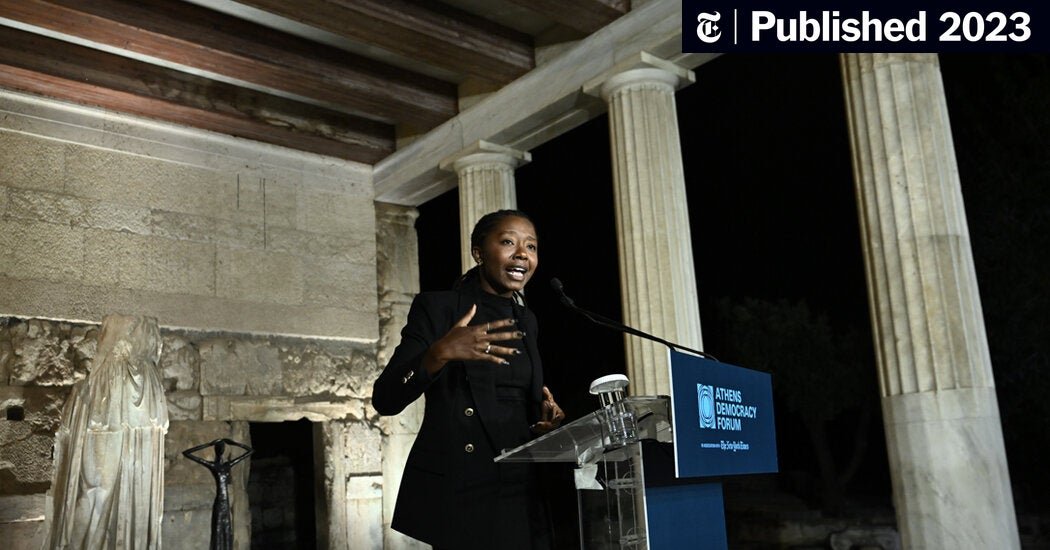
This article critically examines the structural, legal, and socio-political barriers that inhibit meaningful women’s political participation in Zimbabwe, drawing insights from an interview with Namatai Kwekweza, a youth leader and feminist activist. While Zimbabwe has made considerable legal advancements in gender equality, persistent patriarchal norms, systemic violence, and inadequate political reforms continue to marginalize women from decision-making roles. The article emphasizes the need for an intergenerational, intersectional, and feminist approach to transform the political environment into one that genuinely supports women’s leadership and participation.
Introduction
Women’s political participation is widely recognized as both a human right and a necessary condition for inclusive governance and democratic development. In Zimbabwe, as in many parts of the Global South, this participation remains constrained by deeply embedded patriarchal structures and socio-economic inequalities. This paper draws from a discussion held with Namatai Kwekweza, a Zimbabwean feminist and youth leader, to explore the multifaceted challenges and possibilities for women’s political empowerment in the country.
Legal and Policy Frameworks: Progress and Gaps
Zimbabwe is signatory to numerous international and regional instruments that affirm women’s rights, including the Convention on the Elimination of All Forms of Discrimination Against Women (CEDAW), the Beijing Declaration, the SADC Gender Protocol, and United Nations Security Council Resolution 1325. Domestically, the Constitution of Zimbabwe, particularly Section 56, enshrines gender equality and non-discrimination. Complementary legal precedents such as the Magaya v. Magaya case have contributed to gender justice, particularly in areas of inheritance and family law.
Despite these legal protections, Kwekweza notes that the implementation and practical enforcement of such frameworks remain inadequate. The existence of progressive laws alone has not translated into equitable outcomes. Rather, social, economic, and political systems continue to disadvantage women, limiting their ability to access and wield political power effectively.
Structural Barriers to Women’s Leadership
Kwekweza critiques the existing socio-political hierarchy as a “pyramid” in which women are overrepresented at the base—performing organizing and logistical tasks—but largely excluded from leadership roles where decisions are made. This phenomenon results in women shaping campaigns and mobilizing electorates, yet being absent from power structures post-election. The symbolic inclusion of women thus fails to constitute substantive political empowerment.
Moreover, economic and social disenfranchisement reinforces political marginalization. According to Kwekweza, “If women are not emancipated economically, they cannot thrive politically.” This interdependence between economic security and political agency highlights the need for broader systemic reform beyond electoral quotas or legislative inclusion.
The Gendered Nature of Political Violence
Political violence in Zimbabwe, though often gender-neutral in appearance, has distinctly gendered effects. Women encounter a broader spectrum of violence—including psychological, sexual, emotional, and systemic—that men may not experience to the same extent. Incidents of abduction, harassment, and online abuse are frequently weaponized against politically active women to deter them from participation.
Kwekweza underscores the need to “feminize political institutions” and employ feminist principles in governance, recognizing that the current political culture not only marginalizes women but also punishes them for visibility and ambition. This environment fosters a culture where only the most resilient, well-resourced, and politically protected women can ascend to leadership positions—an unsustainable model for inclusive democracy.
The Patriarchal Narrative of Women’s Disunity
A recurrent stereotype within Zimbabwean political discourse is that “women do not support other women.” Kwekweza dismantles this narrative, positioning it as a patriarchal tool designed to divide and conquer. She argues that patriarchal grooming socializes women into competition rather than collaboration, reinforcing male dominance in political spaces. This manufactured disunity must be recognized and countered with solidarity-driven, feminist organizing.
She further emphasizes that the onus for promoting women’s leadership should not fall solely on women. It is a societal responsibility—especially for men—to support and advocate for women’s equal participation. A feminist future necessitates allyship and structural transformation, not just individual merit or intra-gender support.
Elections and the Way Forward: Building Feminist Political Power
As Zimbabwe heads into future electoral cycles, including the 2023 general elections, Kwekweza calls for proactive, not reactive, strategies to empower women politically. These include:
- Institutional reforms such as sexual harassment policies within political parties;
- Economic empowerment to build resilience and reduce dependency;
- Intergenerational feminist dialogue to sustain progress across time;
- Holistic training to build psychological, emotional, and social resilience among aspiring women leaders.
These efforts must be continuous and strategic rather than limited to the electoral season. Kwekweza notes that current projections estimate a 147-year wait for global gender equality—a timeline that demands persistent, incremental change across generations.
Conclusion
Namatai Kwekweza’s reflections illuminate the complex interplay between legal rights, socio-economic structures, and cultural norms in shaping women’s political participation in Zimbabwe. Legal frameworks provide a necessary foundation but are insufficient in the absence of structural transformation. The fight for gender parity in politics must challenge both overt and covert forms of patriarchy, create enabling environments, and foster inclusive solidarity. For Zimbabwe to realize its democratic potential, women must not only vote and campaign—but lead.

