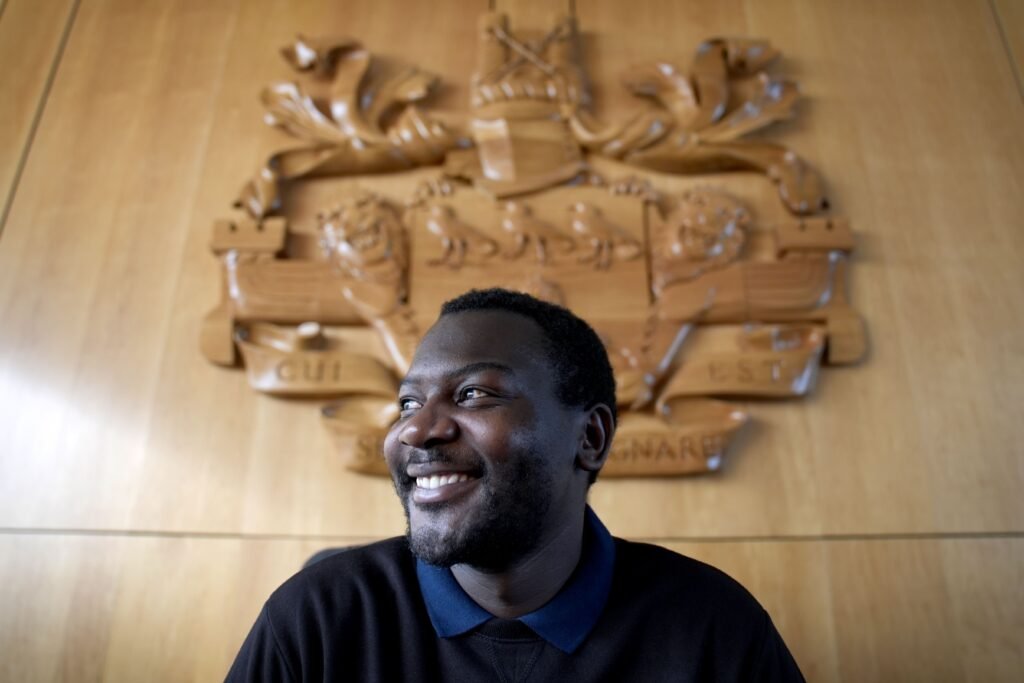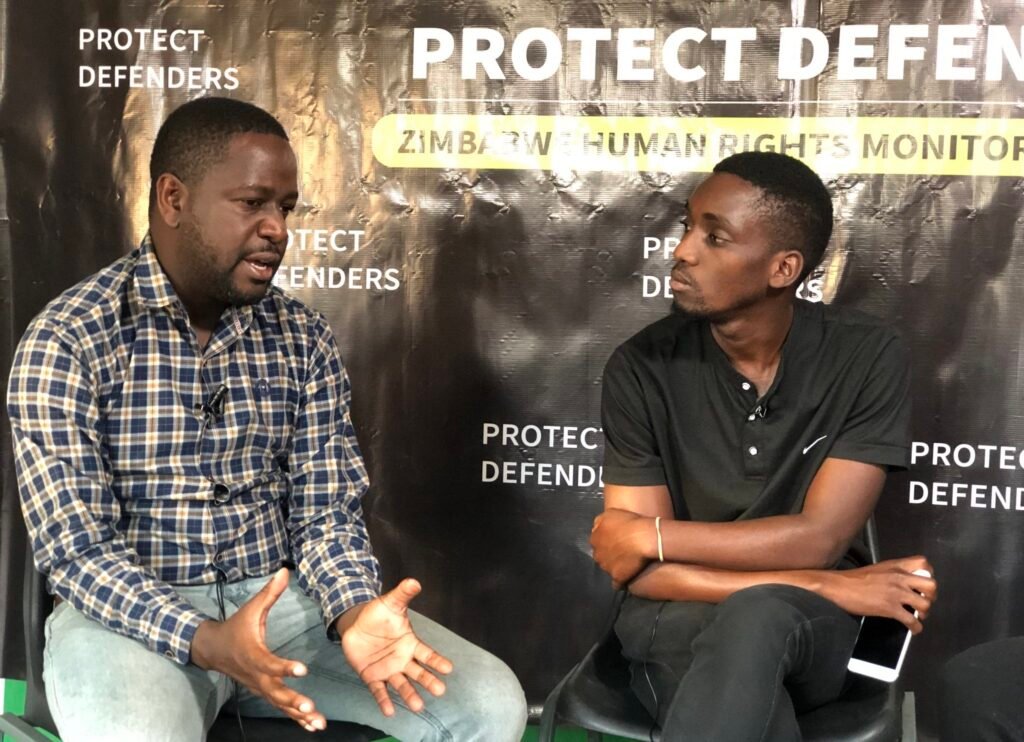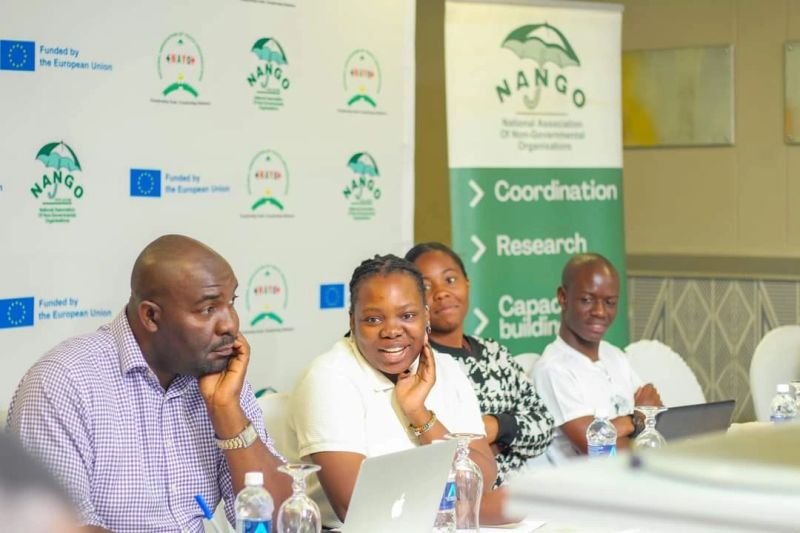
This article synthesizes insights from an interview with Samuel Gwenzi, a Harare ward 5 councilor, pro-democracy activist and the former director of Protect Defenders ZW Trust, and McDonald, the programs manager from the National Association of Youth Organizations (NAYO), regarding the enabling environment for Civil Society Organizations (CSOs) in Zimbabwe. The discussion addresses the current state of civic space, the importance of freedom of association, CSO accountability, the implications of the Private Voluntary Organizations (PVO) Bill, and the remarkable resilience of Zimbabwean CSOs in a challenging context.
Introduction:
The landscape in which Civil Society Organizations (CSOs) operate is crucial for fostering public life, enabling citizens to communicate, exchange ideas, and advocate for social, structural, and economic change (Civicus). The World Bank echoes this, emphasizing civic space as a conduit for dialogue and influence.1 However, Civicus has consistently characterized Zimbabwe’s civic space as “restricted,” a classification on a continuum from “open” to “closed.” This article delves into the perspectives of key actors within Zimbabwe’s civic arena to understand the implications of this status quo and the pathways forward.
Perspectives on the Restricted Civic Space:
McDonald highlighted the fundamental role of civic space in the work of CSOs, referencing Sections 13 and 14 of Zimbabwe’s Constitution, which emphasize national development and citizen participation. He underscored the complementary relationship between government and CSOs, where the latter act as interlocutors between the state and citizens, holding the government accountable and contributing to the delivery of social and economic goods, particularly in the wake of events like the COVID-19 pandemic. McDonald expressed concern over Civicus’s “restricted” ranking, noting that it signifies significant limitations on freedoms of association and assembly, thereby hindering the ability of CSOs to organize and implement programs effectively.
Gwenzi corroborated this view, emphasizing the necessity of cultivating a complementary relationship between government and civic actors to achieve developmental goals. He acknowledged the existing gap, as indicated by international rankings, and called for collective efforts to foster a more open civic space. Gwenzi pointed to ongoing processes involving government ministries, donor communities, and international actors, stressing the need for balanced dialogue to reverse the shrinking civic space.
The Importance of Freedom of Association:
Gwenzi articulated the critical importance of freedom of association, enshrined in Zimbabwe’s Bill of Rights, within the civic space. He emphasized its relevance across various sectors, including electoral processes, donor engagement, civic participation, and academic discourse. Freedom of assembly, he noted, allows for diverse groups to coalesce around shared interests. While acknowledging the state’s legitimate need to curtail certain freedoms in specific circumstances to protect broader societal interests, Gwenzi cautioned against the abuse of power to restrict civic space for political gain. He stressed the need for a balance that ensures the full exercise of freedoms with due consideration for the rights of others.
McDonald addressed the frequent labeling of NGOs as being aligned with opposition parties, highlighting that CSOs, by nature, are independent development organizations with social objectives that transcend political affiliations. He argued that such narratives undermine the legitimate work of CSOs and called for a balanced understanding that recognizes their distinct role while ensuring their operations do not infringe on the rights of others.
Adherence to International Standards: The Istanbul Principles:
McDonald introduced the Istanbul Principles as a global standard for measuring the effectiveness of CSOs’ contribution to development. These eight principles encompass transparency, accountability, environmental sustainability, and gender equity, among others. He noted that while a 2022 study indicated that many Zimbabwean CSOs implicitly reflect these principles in their programming, there is a need for more explicit awareness and open conversations about their application to enhance implementation.
Gwenzi focused on the principle of NGO accountability, acknowledging it as a factor in the government’s legislative approach, particularly the PVO Bill. He raised critical questions about to whom and how CSOs are accountable. While recognizing accountability to government and citizens as important, he also highlighted the internal accountability mechanisms within membership-based organizations. Gwenzi cautioned against excessive government interference in the name of accountability, emphasizing the need for a balanced approach that respects the operational framework of CSOs.
The Contentious Private Voluntary Organizations (PVO) Bill:
McDonald outlined the purported primary reasons behind the PVO Bill: addressing Financial Action Task Force (FATF) Recommendation 8 on money laundering and terrorist financing, preventing political lobbying by CSOs, and regularizing the NGO sector. While acknowledging that regulation, in principle, is not problematic, he expressed concern that the current form of the bill would severely restrict freedom of association. He highlighted the significant financial contributions of NGOs to Zimbabwe’s development, citing nearly $1 billion in foreign currency inflows in 2021, and questioned the potential consequences of impeding their operations. McDonald also criticized the extensive powers granted to the Minister to interfere in the day-to-day operations of CSOs, potentially undermining their autonomy. He concluded that the bill places CSOs in a precarious position, potentially leading to closures and negatively impacting the communities they serve.
Gwenzi echoed these concerns, emphasizing the potential for the PVO Bill to stifle the work of CSOs and limit their ability to address critical developmental needs.2
Causes of the Restricted Civic Space and Democratic Backsliding:
McDonald suggested that the restricted civic space might stem from governmental apprehension towards its citizenry. He also acknowledged that past instances of unfettered freedoms may have been abused, leading to current restrictions. Gwenzi pointed to a historical context of restrictive legislation, including the NGO Bill in the early 2000s, suggesting a recurring pattern. He emphasized the need for CSOs to unite, define their desired civic space within the Zimbabwean context, and advocate for it collectively, drawing upon international standards like the Istanbul Principles. Gwenzi also highlighted the government’s potential desire to consolidate power by controlling critical voices within civil society.
Both Gwenzi and McDonald acknowledged the global trend of democratic backsliding, particularly in the aftermath of the COVID-19 pandemic, where measures implemented for public health have, in some cases, persisted. McDonald noted that a significant portion of the world’s population now lives in conditions characterized as repressed or closed.3 Gwenzi specifically linked the restricted civic space to democratic backsliding, observing a decline in democratic values even in traditionally pro-democratic nations. He urged a return to the liberation values of freedom of expression and assembly, advocating for a framing of CSO work that resonates with the ruling party’s historical commitment to these principles.
The Resilience of Zimbabwean Civil Society:
McDonald highlighted the unwavering commitment of Zimbabwean CSOs to the people they serve, even in the face of adversity. He attributed this resilience to their deep connection with their constituencies and their dedication to the vision of an equitable and just Zimbabwe as enshrined in the Constitution. He emphasized the crucial role CSOs play in providing solutions to various challenges, from service delivery to human rights advocacy.
Gwenzi echoed this, emphasizing the mandate of CSOs to serve the developmental agenda and act as the voice of the people, particularly when civic space is restricted. He attributed their resilience to a sense of conviction and a calling to serve their communities and the nation. Gwenzi pointed to the continued work of media practitioners and human rights actors despite limitations, highlighting a deep-seated desire to make a positive impact.
Conclusion:
The interview with Gwenzi and McDonald paints a picture of a Zimbabwean civic space under significant pressure. The “restricted” classification by Civicus reflects tangible challenges to freedom of association and operation. The impending PVO Bill poses a serious threat to the autonomy and effectiveness of CSOs, potentially hindering their crucial contributions to development and citizen well-being.4 However, the discussion also underscores the remarkable resilience of Zimbabwean CSOs, driven by a deep commitment to their communities and a vision for a more just society. Moving forward, collaborative strategies, a unified voice among civic actors, and a constructive dialogue with the government, perhaps framed around shared constitutional values and international best practices, will be crucial in navigating this shrinking space and ensuring that CSOs can continue their vital work.