Abstract: This article critically analyzes the testimony of Samuel Gwenzi, a Zimbabwean human rights defender, concerning his arbitrary arrest, detention, and torture, alongside his broader reflections on the state of democracy and rule of law in Zimbabwe. Drawing upon Gwenzi’s personal account and his insights into the socio-political landscape, this analysis illuminates the systematic shrinking of democratic space, the weaponization of legal instruments, and the pervasive climate of fear and repression that undermines fundamental human rights and hinders the nation’s democratic aspirations. By contextualizing Gwenzi’s experience within broader reports of human rights violations and the contested political legitimacy of the ruling regime, this article argues that Zimbabwe is experiencing a significant regression from the principles of rule of law towards a system characterized by arbitrary power and the suppression of dissent.
Keywords: Zimbabwe, Human Rights Defender, Rule of Law, Democratic Space, Repression, Torture, Arbitrary Arrest, Civil Society, Political Legitimacy, Constitutionalism.
Introduction:
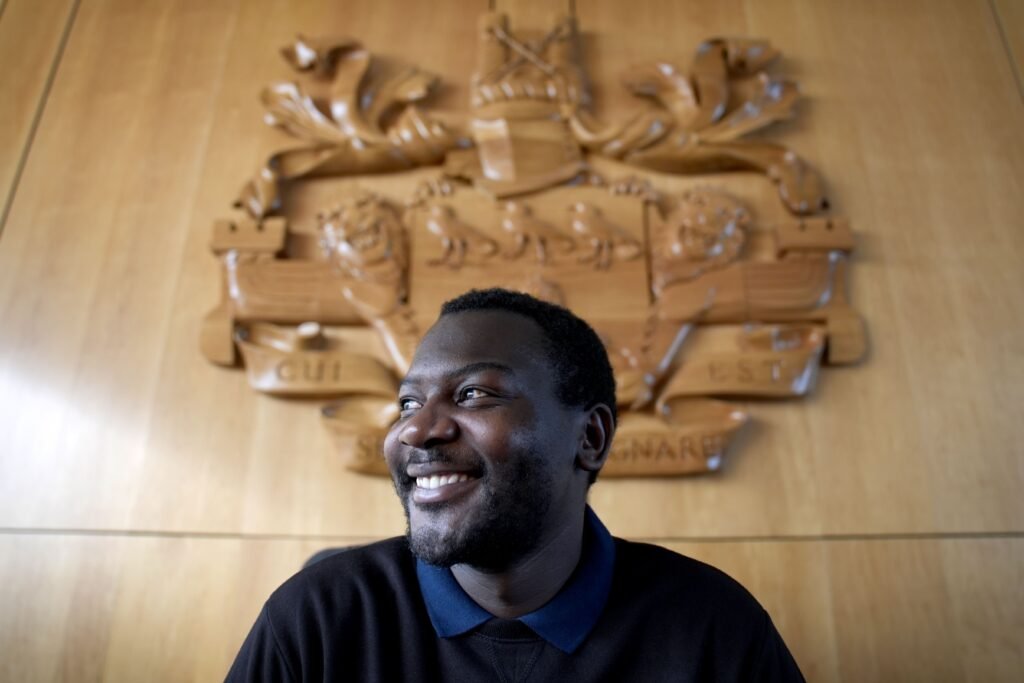
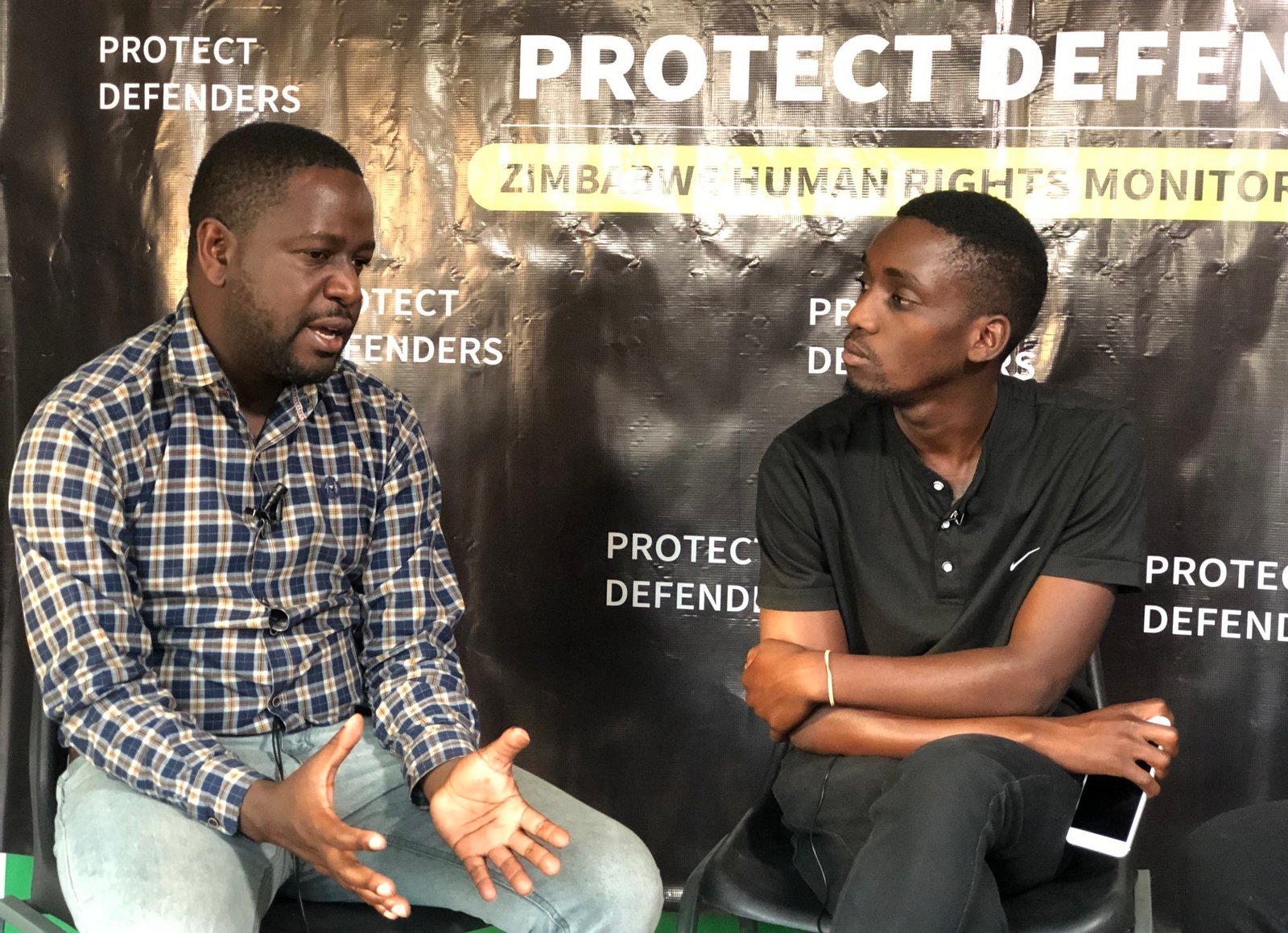
The pursuit of democratic governance and the adherence to the rule of law are foundational tenets of a just and equitable society. However, the lived realities of many human rights defenders and citizens in Zimbabwe paint a starkly different picture. This article delves into the harrowing experience of Samuel Gwenzi, a human rights defender with over a decade of engagement in Zimbabwe’s democratic struggle, as recounted in his interview. Gwenzi’s testimony provides a crucial lens through which to examine the deteriorating state of the rule of law, the constriction of democratic space, and the challenges faced by those advocating for human rights and democratic principles in the country. His narrative, marked by arbitrary arrest, incommunicado detention, and allegations of torture, underscores a disturbing trend of state-sponsored repression aimed at silencing dissent and consolidating power. By analyzing Gwenzi’s account alongside his broader observations on the political climate, this article aims to contribute to a deeper understanding of the systemic issues undermining democracy and the rule of law in Zimbabwe.
The Anatomy of Repression: Gwenzi’s Account of Arbitrary Arrest and Torture:
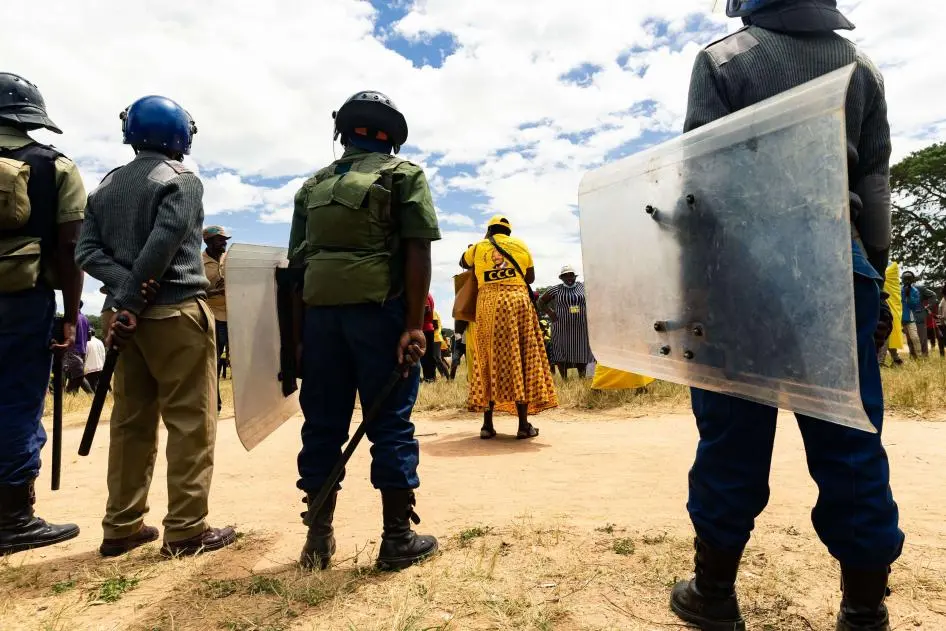
Gwenzi’s narrative of his detention on July 31st offers a chilling illustration of the arbitrary exercise of state power. His account of being forcibly removed from a departing flight by unidentified individuals, held incommunicado for eight hours in what he describes as a “torture chamber,” and subjected to brutal interrogation reveals a blatant disregard for due process and fundamental human rights. The interrogators’ focus on alleged plans for demonstrations and meetings in Victoria Falls suggests a climate of intense paranoia within the state apparatus, particularly concerning any form of organized dissent or opposition activity.
The subsequent charging of Gwenzi and his colleagues with “disorderly conduct” – a minor offense typically warranting a small fine – yet their prolonged detention for 35 days in a maximum-security prison exposes the manipulative use of legal instruments to legitimize unlawful actions and inflict punitive measures. Gwenzi astutely observes that this charge appeared to be a “window dress” to obscure the acts of torture and the illegality of their initial arrest. This tactic highlights a disturbing trend where the legal system is seemingly employed not to uphold justice but to provide a veneer of legality to politically motivated persecution.
Furthermore, Gwenzi’s description of the dire conditions within Chikurubi Maximum Prison – overcrowding, inadequate food and sanitation, lack of bedding, and confinement with hardened criminals – underscores the dehumanizing treatment of detainees, regardless of the severity of the alleged offense. His experience challenges the notion of a justice system that prioritizes rehabilitation and respect for human dignity, instead revealing a punitive environment that further marginalizes and traumatizes individuals.
The Shrinking Democratic Space and the Erosion of Constitutional Rights:
Beyond his personal ordeal, Gwenzi provides insightful commentary on the broader political landscape in Zimbabwe. He argues that the country has “digressed” from the rule of law to “rule by law,” where legal instruments are selectively applied to suppress dissent rather than uphold constitutional principles. His reference to Section 59 of the Zimbabwean Constitution (2013), which guarantees the right to petition and demonstrate, directly contradicts the state’s actions against him and other activists. This dissonance between constitutional guarantees and state practice underscores a fundamental crisis in the respect for the supreme law of the land.
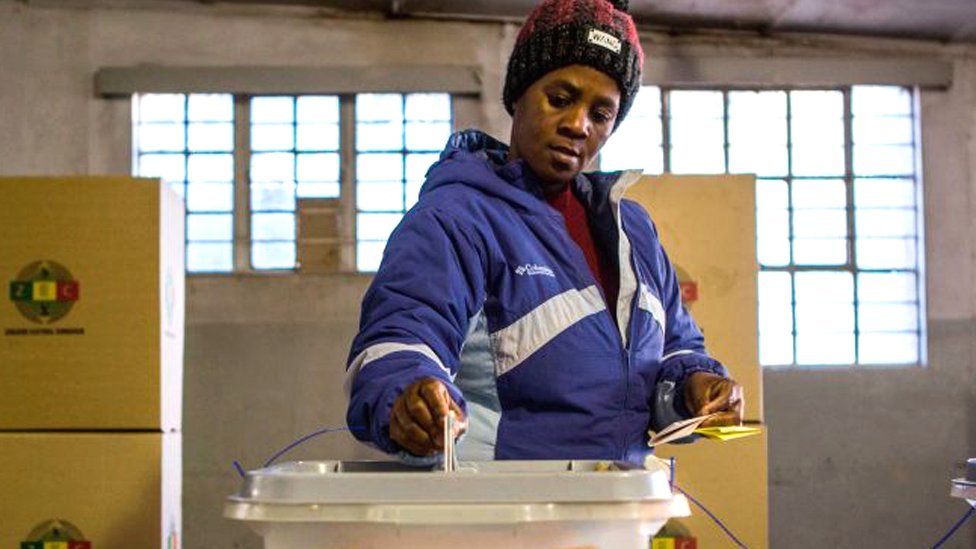
Gwenzi attributes this erosion of democratic space to several interconnected factors. Firstly, he points to the contested legitimacy of the 2023 elections, citing reports from the Commonwealth and SADC that highlighted irregularities. This lack of perceived legitimacy, he argues, fuels state paranoia and a heightened sensitivity to any form of opposition or criticism. Secondly, he highlights the alleged manipulation of parliamentary processes, referencing the recall of opposition legislators, which undermines the legislative function and weakens democratic accountability.
The widespread arrests of activists and human rights defenders, as reported by Amnesty International, further corroborate Gwenzi’s assertion of a “serious repression and closure of the democratic space.” These actions send a chilling message to civil society and any individuals or groups seeking to exercise their fundamental rights to freedom of expression, association, and assembly. Gwenzi’s experience, therefore, is not an isolated incident but rather symptomatic of a systemic pattern of state-sponsored repression aimed at stifling dissent and maintaining the ruling elite’s grip on power.
The Role of Civil Society and the Path Towards Democratic Renewal:
Despite the bleak picture painted by his experiences and observations, Gwenzi offers a strategic outlook on how to address the crisis of rule of law in Zimbabwe. He emphasizes the critical need for a leadership that respects and adheres to the Constitution, advocating for “constitutionalism” as a foundational principle. He also underscores the importance of an active and conscious citizenry capable of claiming their rights as enshrined in the Constitution, which he metaphorically refers to as their “Bible.”
Gwenzi calls for a strengthened and more unified civil society that can effectively challenge the status quo across various state institutions, including the judiciary and parliament. He envisions a vibrant civic movement that can “fight, protect, and promote human rights and the rule of law.” Furthermore, he stresses the necessity of a strong and effective opposition that can hold the ruling party accountable and advocate for pro-people policies grounded in constitutional principles.
Acknowledging the current challenges facing the opposition, Gwenzi sees an opportunity for the development of a more robust and unified democratic alternative. He also emphasizes the need for civil society organizations to move beyond operating in silos and build a collective movement based on shared agendas. He highlights the unifying potential of issues such as rampant corruption, the collapse of public services (healthcare and education), and the plight of the Zimbabwean diaspora. Gwenzi’s call for a “far more offensive approach towards dictatorship” underscores the urgency and the scale of the challenge facing pro-democracy forces in Zimbabwe.
Conclusion:
Samuel Gwenzi’s testimony provides a powerful and deeply concerning insight into the state of rule of law and democratic space in Zimbabwe. His personal experience of arbitrary arrest, detention, and alleged torture, coupled with his analysis of the broader political context, reveals a systematic erosion of constitutional rights and a deliberate strategy to suppress dissent. The weaponization of legal processes, the climate of fear and paranoia within the state, and the dire conditions faced by detainees paint a grim picture of a nation struggling under the weight of authoritarian tendencies.
However, Gwenzi’s resilience and his strategic vision offer a glimmer of hope. His emphasis on constitutionalism, an active citizenry, a unified civil society, and a strong opposition provides a roadmap for those committed to democratic renewal in Zimbabwe. His call for a collective and assertive approach against the forces undermining the rule of law underscores the urgent need for both domestic and international actors to support the struggle for a more just and democratic Zimbabwe, where the rights and dignity of all citizens are respected and upheld. Gwenzi’s unwavering commitment, despite the personal costs, serves as a powerful testament to the enduring spirit of those who continue to fight for a democratic future in the face of adversity.