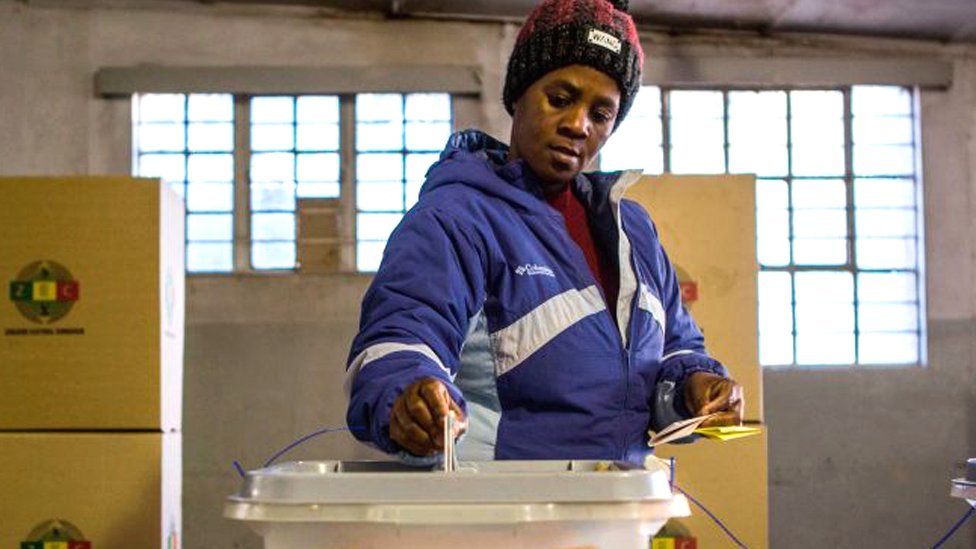
This article analyzes the critical issue of voter apathy in Zimbabwe ahead of the 2023 elections, drawing upon the insights of human rights expert Samuel Gwenzi. It examines the multifaceted causes of this apathy, including fear, lack of information, and disillusionment with electoral outcomes. The article further explores necessary reforms, the crucial role of civil society, and the potential of technology to enhance electoral participation and integrity. Ultimately, it argues that overcoming voter apathy requires a concerted effort involving government accountability, civic engagement, and the strategic mobilization of Zimbabwe’s citizenry, particularly its youth, to ensure a more democratic and legitimate electoral process.
The specter of voter apathy looms large over Zimbabwe as the nation prepares for the 2023 elections. This lack of enthusiasm among eligible voters poses a significant threat to the democratic process, potentially undermining the legitimacy and representativeness of the electoral outcome. To address this critical challenge, it is imperative to understand the underlying causes of voter apathy and to identify effective strategies for mobilization and reform. This article draws upon the expert analysis of Samuel Gwenzi (2023) to dissect this complex issue and propose pathways towards greater civic engagement in Zimbabwe’s electoral future.
Understanding the Roots of Voter Apathy
Voter apathy, as defined by Gwenzi (2023), is the absence of zeal and willingness among eligible citizens to participate in elections. This disengagement is not a monolithic phenomenon but rather stems from a confluence of interconnected factors. Fear, often rooted in past experiences of electoral violence and intimidation, can deter individuals from registering and casting their ballots. A lack of adequate education and accessible information regarding electoral processes, candidate platforms, and the significance of voting further contributes to apathy. Moreover, a pervasive sense of hopelessness and a lack of faith in the potential for meaningful change through elections can lead to widespread disillusionment and abstention (Gwenzi, 2023). The potential for a significant decline in voter turnout in the 2023 elections underscores the urgency of addressing these fundamental issues.
The Imperative for Electoral Reform and Government Accountability:
Overcoming voter apathy necessitates concrete reforms and a demonstrable commitment to accountability from the government. Gwenzi (2023) emphasizes the crucial need to ensure the inclusivity of electoral processes, particularly for marginalized groups such as persons with disabilities, by providing accessible information and necessary support. Furthermore, the Zimbabwe Electoral Commission (ZEC) bears the responsibility of conducting comprehensive and timely voter education, ensuring transparency in its operations, and maintaining consistent communication with citizens regarding key electoral developments. The persistent advantage enjoyed by the ruling party due to its access to state resources and the support of security forces necessitates a level playing field, a reform that Gwenzi (2023) remains skeptical about the ruling party willingly enacting. He posits that the most viable path forward lies in the active mobilization of the citizenry.
The Pivotal Role of Civil Society:
Civil society organizations (CSOs) occupy a critical space in fostering electoral participation and safeguarding the integrity of the electoral process. Gwenzi (2023) outlines several key functions of CSOs in this regard. Firstly, they serve as crucial monitors of the electoral machinery, holding ZEC accountable for conducting free, fair, and credible elections. Secondly, CSOs play a vital role in educating the populace on the importance of electoral participation and their rights as voters. Finally, they must remain vigilant against electoral malpractices and ensure that citizens are well-informed about the dos and don’ts of the electoral environment. In a context where state-controlled media often exhibits bias, the independent voice and educational outreach of CSOs are indispensable in countering voter apathy and promoting informed participation.
Leveraging Technology for Enhanced Participation and Integrity:
The advent of new technologies, such as the Biometric Voter Registration (BVR) system, presents both opportunities and challenges in addressing voter apathy and ensuring electoral integrity. Gwenzi (2023) highlights the potential of BVR to mitigate traditional forms of electoral manipulation associated with manual voter registers. The technology can also empower younger generations, who are often digitally savvy, to access electoral information and monitor processes through their mobile devices and social media platforms. In authoritarian contexts where state media dominates, social media can serve as a vital tool for disseminating information and exposing electoral irregularities. However, Gwenzi (2023) also cautions that the ruling party has previously exploited BVR data for its own advantage, underscoring the need for robust institutional safeguards, particularly within the judiciary, to prevent the manipulation of technological systems. Ultimately, the effective deployment of technology requires both vigilance from civil society and a commitment from electoral authorities to transparency and data protection.
Mobilizing the Electorate: A Call to Action:
Despite the challenges, Gwenzi (2023) emphasizes the power of collective action in overcoming voter apathy. He calls for a concerted effort to mobilize citizens to register and, crucially, to turn out to vote on election day. Drawing a powerful parallel with Zambia’s recent electoral success, where high voter turnout and citizen vigilance countered attempts at manipulation, Gwenzi (2023) underscores the potential of Zimbabwe’s youth bulge to significantly influence the electoral outcome through mass participation. He urges political parties to place young people at the center of their leadership, fostering a sense of ownership and confidence in the political process. Gwenzi’s message is clear: the future of Zimbabwe’s democracy hinges on the active and informed engagement of its citizenry.
Conclusion:
Addressing voter apathy in Zimbabwe requires a multifaceted and sustained effort. It necessitates tangible electoral reforms that ensure inclusivity and a level playing field, a commitment to transparency and accountability from electoral authorities, and a vibrant and فعال role for civil society in voter education and electoral monitoring. The strategic leveraging of technology, coupled with robust safeguards against manipulation, holds the potential to enhance both participation and integrity. Ultimately, however, the most potent antidote to voter apathy lies in the collective mobilization of Zimbabwe’s citizens, particularly its youth, to register, to vote, and to actively shape their nation’s future. As Samuel Gwenzi eloquently argues, the hope for a more democratic and legitimate Zimbabwe in 2023 rests on the willingness of its people to reject apathy and embrace their civic responsibility.
References:
- Gwenzi, S. (2023). Dealing with Voter Apathy Ahead of the 2023 Elections. Into Zimbabwe [Podcast]. Zimbabwe Human Rights Monitors Platform.