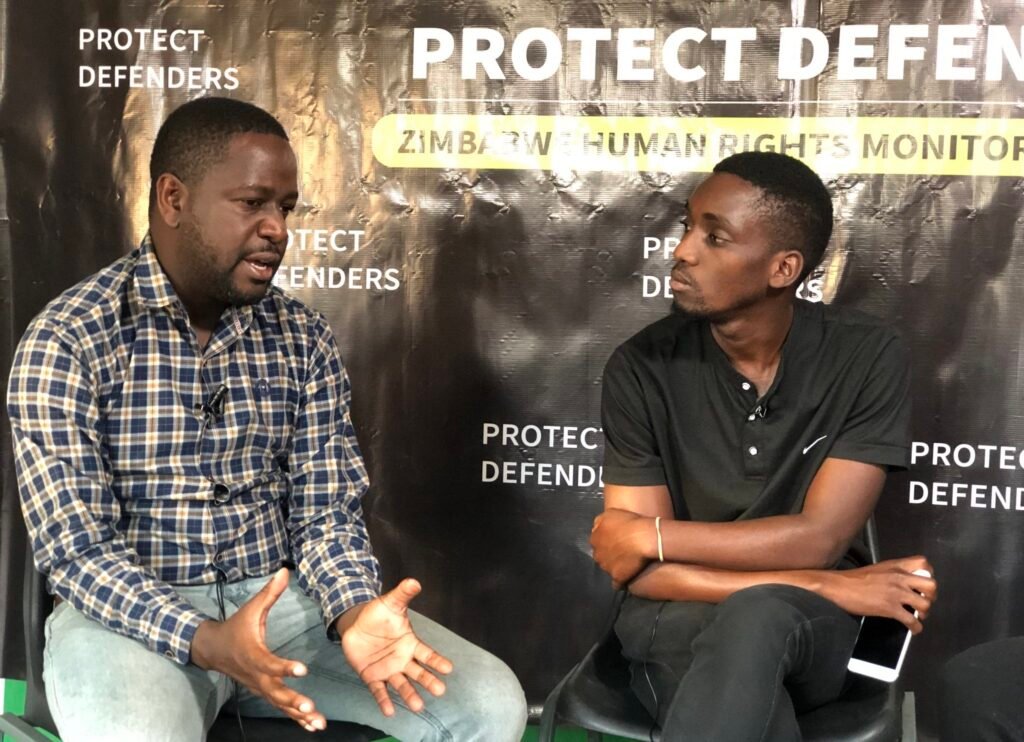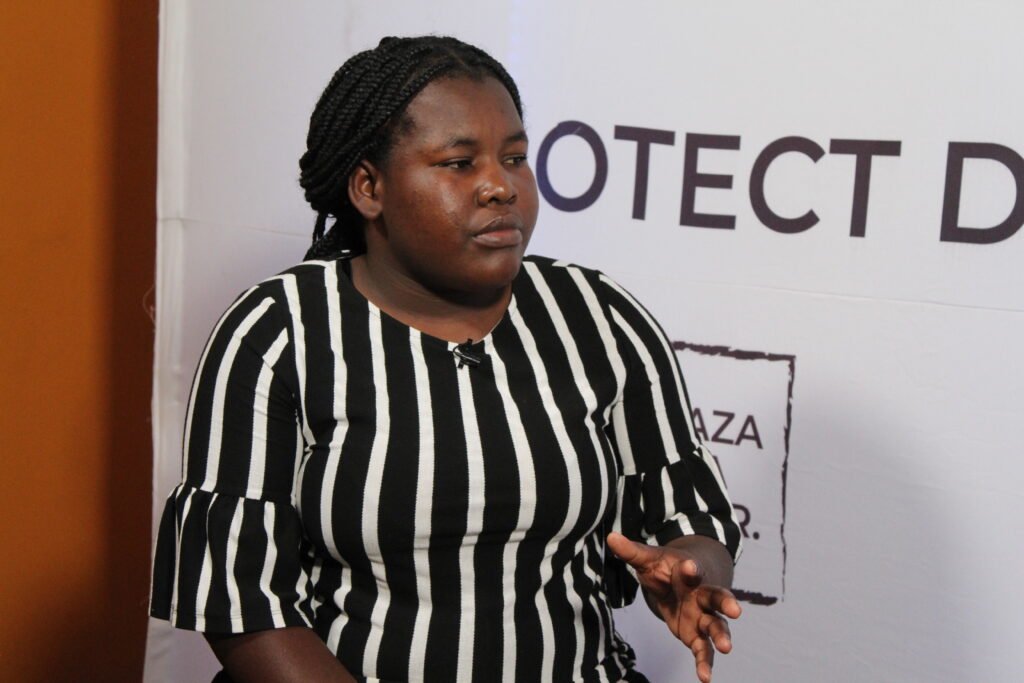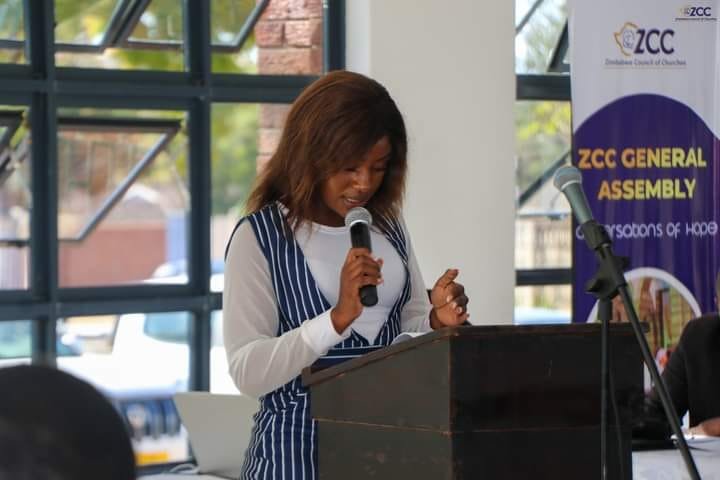
This article examines the contentious Private Voluntary Organizations (PVO) Bill in Zimbabwe, drawing upon insights from a discussion between Liam Kanhenga and Karen Manzera. The analysis highlights the bill’s historical context, its potential impact on civil society, and its implications for democratic governance, particularly in the lead-up to the 2023 general elections. The article argues that the PVO Bill, under the guise of regulation, represents a significant threat to civic space and democratic principles, echoing past attempts to muzzle dissent and consolidate power.1
Introduction:
Zimbabwe’s political landscape is once again marked by a legislative initiative that threatens to curtail civic freedoms.2 The Private Voluntary Organizations (PVO) Bill, currently under parliamentary consideration, has sparked widespread concern among civil society organizations and human rights defenders.3 This legislation, as discussed by Kanhenga and Manzera (2023), is perceived as a tool to shrink the democratic space and consolidate regime power, particularly in the context of upcoming elections.4
Historical Context and Political Motivation:
The PVO Bill is not a novel concept in Zimbabwe. As Kanhenga (2023) notes, its roots trace back to the era of President Robert Mugabe, where similar legislation was used to suppress civil society organizations accused of promoting “regime change agendas.” This historical precedent reveals a pattern of using legal instruments to stifle dissent and maintain political control. The current iteration of the bill, emerging under President Emmerson Mnangagwa’s administration, is seen as a continuation of this trend. Mnangagwa’s rule, marked by a disputed election in 2018 and allegations of human rights violations, has faced significant scrutiny from both domestic and international actors (Manzera, 2023).5 The PVO Bill, therefore, is interpreted as a strategic move to silence this scrutiny and consolidate a one-party state agenda.
Impact on Civil Society and Governance:
The proposed legislation grants the government broad powers to regulate and monitor non-profit organizations, including those involved in human rights advocacy, public finance monitoring, and electoral observation. As Manzera (2023) points out, the bill’s timing, preceding the 2023 elections, raises concerns about its potential to impede crucial monitoring and accountability mechanisms.
Kanhenga (2023) argues that the bill’s provisions, such as mandatory disclosure of funding sources and the power to de-register organizations, represent an intrusion into the institutional sanctity and privacy of civil society organizations. This intrusion, he contends, undermines the independence of these organizations and compromises their ability to fulfill their mandate. Furthermore, the bill’s ambiguous definition of “political lobbying” creates a chilling effect, potentially criminalizing legitimate advocacy and engagement with political processes.
The bill’s implications extend beyond political organizations. As highlighted by Manzera (2023), faith-based and charitable organizations, which play a vital role in providing humanitarian aid, are also at risk. The requirement to disclose donor information could deter potential funders, thereby hindering their ability to provide essential services to vulnerable populations.
Implications for Democratic Processes:
The PVO Bill poses a significant threat to democratic processes in Zimbabwe.6 As Kanhenga (2023) argues, it undermines the role of civil society organizations in advocating for electoral reforms, promoting media impartiality, and ensuring accountability. The bill’s potential to muzzle these organizations threatens to create an uneven playing field in the lead-up to the elections, potentially exacerbating existing concerns about transparency and fairness.7
Furthermore, the bill’s provisions contradict constitutional principles, such as the right to freedom of association and the right to participate in public affairs (Kanhenga, 2023).8 By granting the government excessive powers to regulate and control civil society, the bill undermines the separation of powers and erodes the checks and balances essential for a functioning democracy.9
Conclusion:
The PVO Bill, as analyzed in this article, represents a significant threat to Zimbabwe’s civic space and democratic governance.10 Under the guise of regulation, it seeks to silence dissent, consolidate power, and impede the crucial role of civil society organizations in promoting human rights, accountability, and democratic reforms.11 The bill’s historical context, its potential impact on diverse sectors of society, and its implications for electoral processes underscore the urgent need for its rejection. As Kanhenga and Manzera (2023) emphasize, citizens must actively participate in parliamentary consultations and advocate for the protection of their fundamental rights.
References:
- Kanhenga, L. (2023). Insights on the PVO Bill. Into Zimbabwe [Podcast]. Zimbabwe Human Rights Monitors Platform.
- Manzera, K. (2023). Insights on the PVO Bill. Into Zimbabwe [Podcast]. Zimbabwe Human Rights Monitors Platform.