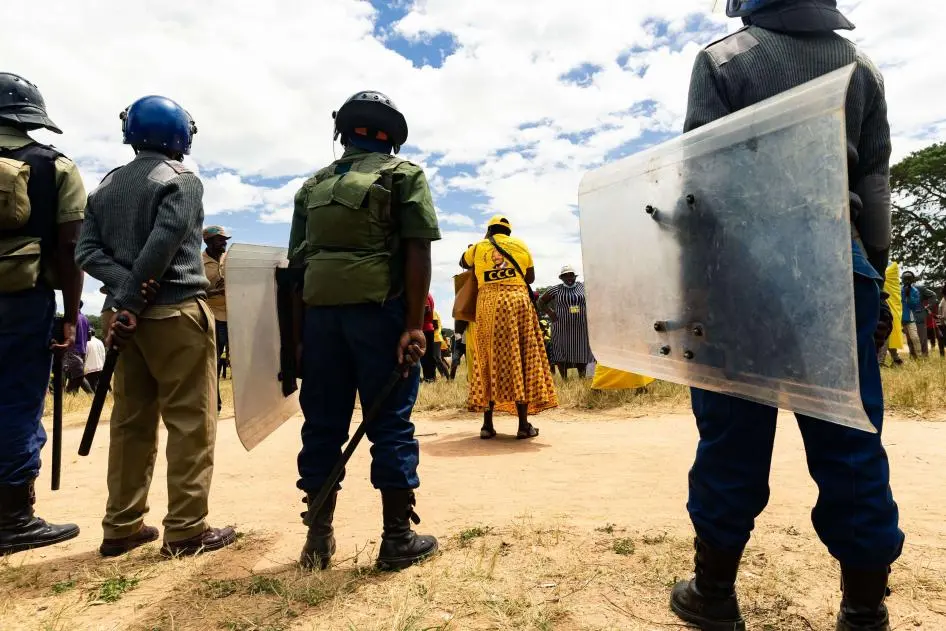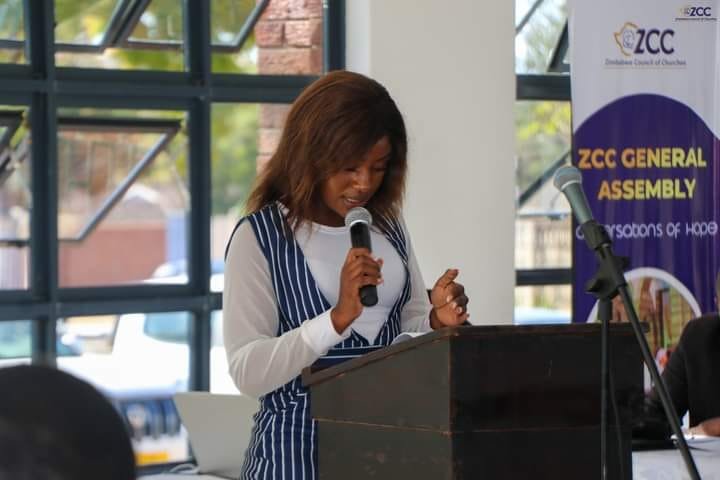
In conversation with the Zimbabwe Human Rights Monitors Platform, Annah Sande, a human rights defender and political activist, detailed the significant security threats she faced both prior to and following her election as Mayor of Epworth. Sande’s account highlights the precarious environment in which local governance operates, particularly when challenging entrenched power structures and advocating for the rights of vulnerable communities. This article will examine the key issues raised by Sande, focusing on the challenges of land governance, the impact of human rights violations on women’s political participation, and the obstacles to effective service delivery in Epworth.
Sande’s account begins with a focus on her efforts to address the issue of land barons in Epworth. She described her attempt to “bring sanity to the land grab situation,” which disproportionately affected women, orphans, and other vulnerable community members. Her efforts to utilize her council authority to resolve these issues were met with resistance, leading to “plotting” against her by those benefiting from the status quo. Sande reported surviving two abduction attempts, with one incident resulting in the abduction and torture of her uncle, who was targeted to reveal her location. Sande’s experience underscores the dangers faced by individuals who challenge powerful interests within local governance.
A significant concern raised by Sande was the lack of effective protection and recourse from state institutions. She reported that her attempts to report these incidents to the police were largely dismissed, with investigations not being conducted. Sande explicitly stated, “I do not think that our systems are ready to protect victims of human rights violations, especially when the perpetrator is from the ruling ZANU-PF party.” This allegation raises serious questions about the impartiality and effectiveness of law enforcement in addressing politically motivated violence and threats. The recent acquittal of her uncle’s abductors due to the state’s failure to investigate further supports this claim.
Sande also discussed the broader implications of human rights violations for women’s political participation. She argued that the climate of fear and violence deters many young women from engaging in politics. Sande cited societal and cultural structures, including patriarchal systems, as contributing factors that limit women’s voices. The threats of violence, abduction (referencing the cases of Joan Msilia and Itai Dzamara), and online persecution create a hostile environment that discourages women from seeking political office. Sande asserted, “When those stories keep making headlines in our country, young women definitely will shy away, even run away from participating.”
In addressing the question of what measures should be implemented to encourage women’s political participation, Sande emphasized the need for political will to enforce existing constitutional provisions guaranteeing equality. She called for political parties to ensure inclusive spaces for women and for institutions like the Zimbabwe Human Rights Commission, the Zimbabwe Gender Commission, the Zimbabwe Electoral Commission, and the Judicial Commission to operate impartially, holding them accountable to the people of Zimbabwe rather than to political parties.
Turning to her tenure as Mayor of Epworth, Sande outlined her responsibilities, which included presiding over council meetings, overseeing council business, and contributing to legislative processes. She also detailed the specific challenges facing Epworth residents, including service delivery deficits, water shortages, high crime rates exacerbated by poverty and unemployment, and the marginalization of young people in decision-making. Sande highlighted the unique challenges of Epworth, including the prevalence of informal settlements and the ongoing process of regularization, which has left many residents vulnerable to land barons.
Sande lamented her premature and “illegal” recall from office, stating that she was unable to fulfill her mandate. She emphasized the impact of this action on the Epworth community and expressed hope for justice through ongoing legal proceedings. Sande further elaborated on the challenges faced by Epworth residents, particularly the issue of development and the regularization of informal settlements. She reiterated the problem of land barons exploiting vulnerable residents, particularly women, widows, the elderly, and orphans.
In addressing the issue of accountability within municipal councils, Sande advocated for the effective implementation of existing laws and performance appraisals for council staff. She stressed the need for equitable development across local authorities, urging the Ministry of Local Government to ensure that marginalized councils receive the necessary resources to function effectively. Sande also suggested that if the current government is unwilling to fulfill its constitutional mandate, a change of government may be necessary.
In conclusion, Sande’s interview provides a sobering account of the challenges facing local governance in Zimbabwe. Her experiences highlight the dangers of challenging powerful interests, the vulnerability of women in the political sphere, and the urgent need for greater accountability and service delivery within municipal councils. Sande’s call for the implementation of existing laws, equitable resource allocation, and a commitment to serving the people of Zimbabwe underscores the need for systemic change to ensure effective and just local governance.